Tel: +86-18065255079 E-mail: wulixia@vameitulvye.com
Whatsapp:+86 15260985928
English
- All
- Product Name
- Product Keyword
- Product Model
- Product Summary
- Product Description
- Multi Field Search

Views: 0 Author: Site Editor Publish Time: 2026-04-01 Origin: Site


A balcony may look attractive when a project is first completed, but the real test comes later, when weather, daily use, and time begin to affect its appearance and performance. That is why Aluminum railing continues to be a popular choice for homeowners, developers, architects, and property managers who want more than a short-term visual upgrade. V Global Manufacturing Limited supplies balcony solutions for modern construction, and this material remains valuable because it offers a practical mix of durability, appearance, easier maintenance, and long-term use value.
Many railing materials perform well in one area but create compromises in another. Some feel strong but require more upkeep. Some look appealing at first but do not stay as presentable outdoors. Others may seem cost-effective early on but lead to more maintenance work later. Balcony aluminum railing stands out because it solves several buyer concerns at the same time instead of relying on only one advantage.
Some buyers still assume that a lighter material must be less secure. In reality, one of aluminum’s biggest strengths is its excellent strength-to-weight balance. On a balcony, that matters because the railing needs to feel dependable without looking unnecessarily heavy.
A well-designed aluminum system provides safety and structure while keeping the balcony visually cleaner and more open. This is especially useful in modern residential and commercial projects where bulky railing lines can make the exterior feel crowded. A lighter system can also help with transport, handling, and installation efficiency, which adds practical value during project execution.
Another reason balcony aluminum railing is worth considering is its versatility. A private home, a villa terrace, a multifamily apartment building, and a hotel balcony all have different design needs, but they often require the same core benefits: reliable outdoor use, visual consistency, and manageable maintenance.
Aluminum railing adapts well to these different project types. In homes, it creates a cleaner and more comfortable outdoor space. In apartment developments, it supports consistency across many units. In hospitality and commercial settings, it offers a polished appearance while remaining practical for long-term property management. That broad usability makes it easier to justify as a long-term building solution.
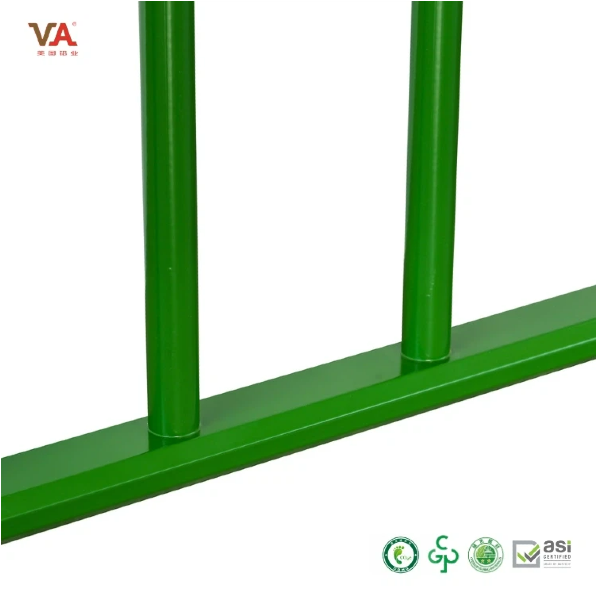
A balcony is not a protected interior feature. It sits at the edge of the building, exposed to moisture, sunlight, dust, and constant visibility. That is why real outdoor performance matters more than simple product claims.
Balconies face rain, humidity, and changing weather throughout the year. In coastal or wet climates, these conditions become even more demanding. A railing that struggles with exposure can quickly affect the appearance of the whole exterior.
Aluminum railing is often preferred because it offers strong corrosion resistance and helps preserve a cleaner, more stable look over time. For buyers, that means the balcony remains a stronger visual and functional part of the building rather than becoming a maintenance concern.
Sunlight can be just as demanding as moisture, especially on balconies with long daily exposure. Buyers want a railing that not only performs structurally but also keeps its appearance longer in outdoor conditions.
With the right finish, aluminum railing supports that goal well. A stable surface helps the balcony continue looking neat and intentional over time. This matters in residential properties, and it matters even more in commercial or hospitality projects where exterior appearance directly affects how the property is perceived.
Balconies are used, touched, cleaned, and seen every day. The railing is one of the most visible and interactive parts of the space, so any weakness becomes obvious over time.
A balcony aluminum railing performs well here because it helps reduce frequent repair cycles and ongoing surface concerns. Buyers are not only looking for a railing that can survive outdoors. They want one that can stay suitable and presentable without becoming an ongoing burden.
Material | Rust and Corrosion Resistance | Maintenance Level | Design Flexibility | Balcony Suitability |
Aluminum railing | High | Low | High | Strong overall balance |
Steel railing | Medium to low in wet areas | Medium to high | Medium | Needs more surface care |
Wood railing | No rust, but can rot or warp | High | Medium | More upkeep outdoors |
The value of a railing is not limited to installation day. It continues to matter during the years that follow, when owners and managers have to maintain the building and preserve its appearance. This is one of the strongest reasons balcony aluminum railing is worth the investment.
A railing that needs less routine care naturally reduces ownership pressure. Homeowners spend less time worrying about visible deterioration. Property managers find it easier to maintain consistency across multiple units. Developers also benefit because the finished building keeps a stronger appearance over time.
Fewer repainting or repair cycles add real practical value. In projects with many balconies, even minor maintenance needs become significant when repeated across an entire building. A material that helps control those demands is not just convenient. It improves lifecycle value and reduces long-term operational pressure.
This is particularly important in multifamily housing, hotels, and mixed-use properties where the balcony edge remains highly visible. A system that stays orderly and easier to maintain helps protect both the project image and daily management efficiency.
Performance matters, but buyers also want a balcony that looks current and well integrated with the building. Aluminum railing continues to gain attention because it supports both function and design.
Many modern buildings depend on visual clarity. A heavy or overly complicated railing can interrupt the façade and make the project feel less refined. Aluminum railing supports cleaner lines and helps the balcony edge feel more controlled and intentional.
This is especially useful for apartments, villas, and contemporary commercial buildings where the balcony contributes directly to the architectural identity.
Not every project wants the same look. Some need a minimal modern effect, while others require contrast, texture, or a more decorative expression. Aluminum remains attractive because it offers flexibility in finish and appearance.
That flexibility is a practical advantage as well as a design one. Buyers can align the railing with their architectural goals without moving to a material that may create more long-term maintenance pressure.
Today’s balconies often need more than a basic barrier. Some projects want open views, which makes compatibility with glass a major advantage. Others need more decorative detailing to support a distinctive façade.
Aluminum railing works well in both directions. It can pair with glass for a lighter, more premium feel, or support decorative designs where stronger façade character is needed. That range helps explain why it is often seen as a highly adaptable choice rather than a basic one.
The strongest reason balcony aluminum railing is worth it is not that it is only durable, only attractive, or only easy to install. Its real value comes from how these strengths work together.
Most buyers have the same practical questions. Will the railing hold up outdoors? Will it be difficult to maintain? Will it still look suitable after years of exposure? Can it match the architectural style of the building? Aluminum railing answers these concerns in a balanced way, which is why it continues to perform well in both residential and commercial balcony projects.
That balance matters because a balcony is judged over time, not only when it is first installed. A railing that remains safe, visually appropriate, and easier to manage becomes more than a style choice. It becomes a practical decision for the long life of the building.
Balcony design should never be judged by first impressions alone. The reason aluminum railing remains worth the investment is that it combines outdoor durability, lower maintenance pressure, design flexibility, and better long-term value in one solution. V Global Manufacturing Limited provides railing systems for real building applications, and the appeal of balcony aluminum railing comes from the fact that it continues to perform after the initial installation stage has passed. For projects that need a balcony solution that looks modern, works reliably, and supports stronger lifecycle value, Aluminum Railing is a practical long-term choice. If you are planning a residential, multifamily, or commercial balcony project, contact us to discuss the right solution for your needs.
Because it combines corrosion resistance, lower maintenance, design flexibility, and long-term usability in one system, making it suitable for both homes and larger projects.
Yes. A properly designed aluminum railing system offers a dependable strength-to-weight balance, which makes it suitable for many residential and commercial balcony applications.
No. One of its main advantages is that it generally requires less ongoing care than materials that may need frequent repainting, repair, or extra surface treatment.
It supports clean lines, multiple finish options, and compatibility with glass or decorative elements, which helps it fit a wide range of architectural styles.


