Tel: +86-18065255079 E-mail: wulixia@vameitulvye.com
Whatsapp:+86 15260985928
English
- All
- Product Name
- Product Keyword
- Product Model
- Product Summary
- Product Description
- Multi Field Search

Views: 0 Author: Site Editor Publish Time: 2026-01-16 Origin: Site


In modern industrial settings, maximizing space and ensuring efficient use of resources is key to maintaining a productive and sustainable operation. With businesses focusing on cutting costs, improving workflows, and maintaining a comfortable working environment, the choice of building materials plays a critical role in achieving these goals. One of the most effective ways to optimize space and improve operational efficiency in industrial facilities is by incorporating aluminum sliding windows.
Aluminum sliding windows are increasingly popular for commercial and industrial buildings due to their sleek design, space-saving features, and excellent performance. These windows offer a versatile solution that enhances natural lighting, improves ventilation, and boosts energy efficiency. Unlike traditional casement windows that require space to swing open, sliding windows operate by smoothly gliding horizontally, making them perfect for areas with limited space. In this article, we will explore the benefits of using aluminum sliding windows in industrial facilities, how they contribute to maximizing space and efficiency, and why they are a practical and cost-effective solution for businesses.
Whether you are considering an upgrade to your current building design or planning a new facility, understanding the advantages of aluminum sliding windows can help you make an informed decision that enhances both the aesthetic and functional aspects of your industrial space.
One of the standout advantages of aluminum sliding windows is their exceptional space efficiency, making them an ideal choice for environments where space optimization is critical. Unlike traditional casement windows, which swing outward when opened, sliding windows operate by smoothly gliding along a horizontal track. This design feature eliminates the need for extra clearance to accommodate the window's swing, freeing up valuable floor space that can be better utilized for other purposes.
This feature is particularly beneficial in industrial facilities, such as factories, warehouses, and office buildings within commercial complexes. In these settings, every inch of floor space is valuable for ensuring safe passage, efficient workflow, and increased operational capacity. Aluminum sliding windows can be installed in narrow hallways, restricted spaces, or areas with heavy foot traffic, where traditional windows would be impractical or unsafe. By saving space, sliding windows allow for more flexible room planning and better use of available areas, which enhances the overall efficiency of the facility.
For instance, in a high-traffic area, such as a warehouse or production line, the sliding function of the window helps minimize obstructions in walkways and workspaces. It ensures a seamless transition between inside and outside environments while maintaining an unobstructed path for workers, inventory movement, and machinery operation. As such, these windows play a crucial role in maintaining safety and productivity within industrial operations.
Aluminum is one of the most durable materials available for window frames, making it a preferred choice for industrial applications. Aluminum sliding windows are highly resistant to corrosion, rust, and weathering, which makes them well-suited to harsh industrial environments that are subject to extreme temperatures, humidity, and exposure to chemicals, dust, and other environmental factors.
In industries where machinery and equipment often operate in high-heat conditions, aluminum sliding windows can withstand such temperatures without warping or degrading. Furthermore, aluminum's resistance to corrosion means that these windows maintain their aesthetic and structural integrity over time, reducing the need for frequent repairs or replacements. The long lifespan of aluminum windows provides businesses with a more cost-effective solution for maintaining a facility’s appearance and function.
The strength of aluminum is another critical factor that makes these sliding windows ideal for industrial settings. Aluminum frames are lightweight yet incredibly strong, which provides additional security and protection against impacts and environmental stress. Whether exposed to extreme weather conditions or physical damage from moving equipment or machinery, aluminum windows offer reliable durability.
While functionality is crucial, aesthetics also play an important role in creating a comfortable and welcoming industrial space. Aluminum sliding windows offer a sleek, modern appearance that complements the clean lines and open layouts typically seen in industrial facilities. Their minimalist design allows for large, unobstructed views, improving the overall look and feel of the space.
By incorporating large glass panels, these windows allow ample natural light into the building, reducing the need for artificial lighting and creating a bright, airy environment. This can enhance employee productivity and morale, especially in manufacturing plants or warehouses where workers are spending long hours.
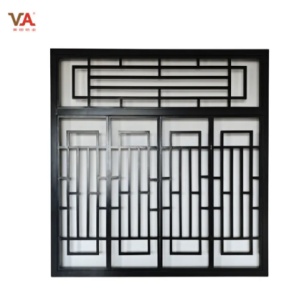
Proper ventilation is essential in industrial settings to maintain air quality, control temperature, and reduce the buildup of harmful fumes or contaminants. Aluminum sliding windows provide an excellent solution for improving ventilation in industrial facilities. Their large openings allow for maximum airflow, which can help maintain a comfortable working environment.
In areas where proper ventilation is critical—such as kitchens, laboratories, or production floors—sliding windows provide an easy way to regulate airflow. By allowing workers to adjust the window to the desired size, businesses can maintain optimal air circulation and temperature control.
Another key advantage of aluminum sliding windows is their contribution to energy efficiency. Traditional windows, especially older models, may have gaps or poor seals that allow heated or cooled air to escape, leading to higher energy bills. Aluminum sliding windows, when properly installed, offer excellent thermal insulation, preventing air loss and improving the energy efficiency of the building.
Many aluminum sliding windows come with thermal breaks, which further enhance their ability to maintain a consistent indoor temperature. This means that businesses can lower their heating and cooling costs, contributing to overall energy savings and reducing their environmental footprint.
Aluminum sliding windows are designed to be low-maintenance, which is essential in high-demand industrial environments. The smooth, gliding action of the windows reduces wear on the components, and their aluminum frames are resistant to rust and corrosion, even in challenging climates. As a result, the maintenance costs associated with these windows are minimal.
Routine cleaning and occasional lubrication of the sliding tracks are generally all that’s needed to keep the windows in optimal working condition. This makes them a convenient and cost-effective option for industrial facilities that require reliable, long-term performance.
When selecting aluminum sliding windows for an industrial facility, it’s important to choose the right size and configuration based on the specific needs of your building. Consider the space where the windows will be installed, the amount of natural light required, and the desired level of ventilation. Larger windows allow for better air circulation and more natural light but may need to be balanced with privacy or security concerns.
The type of glass used in the windows also plays a critical role in their performance. Double or triple-glazed glass options provide enhanced insulation, soundproofing, and energy efficiency. For industrial buildings located in noisy areas, acoustic glazing can reduce external noise, creating a quieter and more comfortable work environment.
Industrial facilities often contain valuable equipment and inventory, so ensuring the security of the premises is a priority. Choose aluminum sliding windows with secure locking mechanisms and consider options with laminated or reinforced glass for added protection. Some modern sliding windows come with shatter-resistant glass, providing an extra layer of security.
Incorporating aluminum sliding windows into your industrial facility offers a wide range of benefits, including improved space efficiency, durability, ventilation, energy savings, and aesthetic appeal. These windows provide a practical solution to optimize natural light and airflow while enhancing the overall performance of the building.
For businesses looking to maximize their facility’s efficiency and reduce long-term costs, aluminum sliding windows are an investment that will pay off in terms of energy savings, reduced maintenance, and improved worker comfort. At V Global Manufacturing Limited, we specialize in providing high-quality aluminum sliding windows that meet the demands of modern industrial buildings. Our products are designed to help you create a productive, energy-efficient, and comfortable environment for your employees and customers. Contact us today for expert guidance and solutions tailored to your specific needs.
What are aluminum sliding windows used for in industrial facilities?
Aluminum sliding windows are used to provide natural light, improve ventilation, and create space-saving solutions in industrial settings. They are perfect for environments that require efficient air circulation and a bright, comfortable working space.
How do aluminum sliding windows help with energy efficiency?
These windows offer excellent insulation, preventing heat loss or gain and reducing the need for air conditioning or heating, ultimately lowering energy costs.
Are aluminum sliding windows durable enough for industrial use?
Yes, aluminum sliding windows are highly durable, resistant to rust and corrosion, and designed to withstand harsh industrial conditions, including temperature fluctuations and exposure to moisture or dust.
What are the maintenance requirements for aluminum sliding windows?
Aluminum sliding windows require minimal maintenance, typically involving cleaning and occasional lubrication of the sliding tracks to ensure smooth operation. Regular maintenance will help extend the lifespan of the windows.


