Tel: +86-18065255079 E-mail: wulixia@vameitulvye.com
Whatsapp:+86 15260985928
English
- All
- Product Name
- Product Keyword
- Product Model
- Product Summary
- Product Description
- Multi Field Search

Views: 0 Author: Site Editor Publish Time: 2026-01-27 Origin: Site


In today's world of urbanization and advancing technology, commercial high-rise buildings are more than just structures designed to house offices or businesses—they are also symbols of modern architecture and innovation. One of the most influential design elements in modern skyscrapers is the facade exterior curtain wall, which significantly enhances both the aesthetics and energy efficiency of the building.
The facade exterior curtain wall is a non-structural cladding system that covers the exterior of a building, serving as a barrier between the interior and the outdoor environment. It plays a crucial role in energy efficiency by providing thermal insulation, reducing heat loss, and managing solar heat gain. This helps to create a comfortable indoor environment for the occupants while simultaneously reducing the building's energy consumption. At V Global Manufacturing Limited, we specialize in providing high-performance curtain wall systems designed to meet the unique energy efficiency requirements of commercial high-rise buildings. In this article, we will explore how facade exterior curtain walls contribute to energy efficiency and what benefits they bring to commercial buildings.
A facade exterior curtain wall is a building envelope system that consists of a thin, non-load-bearing outer covering made of materials such as glass, metal, or other lightweight materials. Unlike traditional brick or concrete walls, curtain walls are designed primarily for aesthetic purposes, providing a sleek and modern look to the building. However, they also offer several functional benefits, especially when it comes to energy efficiency.
The curtain wall system is composed of several key components:
Glass Panels: Typically used to create a transparent, open feel and provide natural light to the interior.
Aluminum or Steel Framing: The framework that supports the glass panels and connects them to the building structure.
Thermal Insulation: Often incorporated into the framing system to reduce heat loss and maintain indoor comfort.
By effectively insulating the building from external temperatures, curtain walls help to stabilize the internal climate, improving energy efficiency.
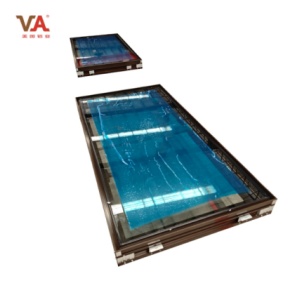
Facade exterior curtain walls contribute to energy efficiency in multiple ways. By acting as a barrier between the indoor and outdoor environments, they help to regulate the building's internal temperature, reduce energy consumption, and contribute to a more sustainable building design.
One of the key benefits of facade exterior curtain walls is their ability to improve thermal insulation, making buildings more energy-efficient. In high-rise commercial buildings, large glass panels are commonly used in the facade. While these panels provide an aesthetically pleasing appearance and allow natural light to enter the building, they can also result in significant heat loss during cold weather or heat gain during hot weather, depending on the climatic conditions. This can place a strain on heating, ventilation, and air conditioning (HVAC) systems, leading to higher energy costs and an uncomfortable indoor environment.
Modern curtain wall systems address these challenges by incorporating advanced technologies and materials designed to significantly enhance thermal performance. Here are some of the key technologies used:
One of the most important innovations in modern curtain walls is the use of Low-E (Low Emissivity) glass. Low-E glass is a special type of glass that has been coated with a thin layer of metallic oxide. This coating reflects infrared heat back into the building, which helps to maintain a consistent indoor temperature.
Winter Benefits: During colder months, Low-E glass reflects heat from the interior back into the building, reducing the need for artificial heating. This helps to keep the indoor environment warm without overloading heating systems, thus lowering energy consumption and costs.
Summer Benefits: In hot weather, Low-E glass prevents excessive solar heat from entering the building by reflecting much of the incoming heat. This keeps the interior cooler, reducing the reliance on air conditioning systems, which can significantly reduce cooling costs.
By using Low-E glass, curtain wall systems ensure that the building remains thermally efficient year-round, regardless of the external climate.
Another crucial element that contributes to improved thermal insulation in curtain walls is the use of insulated frames. The framing system plays an important role in preventing heat from escaping through the structural components of the facade.
Insulated Framing Materials: Modern curtain walls use insulated materials such as thermal breaks or composite materials in the framing system. These materials help to reduce heat transfer through the frame, ensuring that energy is not wasted through gaps in the structure.
Enhanced Energy Efficiency: The combination of Low-E glass and insulated frames ensures that the building envelope effectively reduces heat loss in the winter and minimizes heat gain during the summer. This results in a more stable indoor temperature and reduces the load on HVAC systems.
By incorporating these thermal performance enhancements, facade exterior curtain walls help to create a more energy-efficient building, ultimately leading to lower energy costs and a more comfortable indoor environment for occupants.
Another crucial factor contributing to energy efficiency is solar heat gain control. Commercial high-rise buildings with large glass surfaces are susceptible to overheating due to direct sunlight. This can lead to higher cooling costs and discomfort for building occupants.
Solar-Control Glass: Modern curtain wall systems use solar-control glass that has coatings designed to reduce the amount of sunlight that enters the building. These coatings absorb or reflect a significant portion of solar radiation, keeping the interior cooler and reducing the need for air conditioning.
Shading Systems: In some designs, shading devices such as louvers or external blinds are integrated into the curtain wall to further block out excess sunlight while still allowing natural light to enter the building.
By controlling solar heat gain, facade exterior curtain walls help to reduce cooling costs and enhance the overall comfort of the building.
Another benefit of facade exterior curtain walls is their ability to maximize the use of natural light. The transparency of glass panels allows daylight to penetrate deep into the building, reducing the need for artificial lighting.
Daylight Harvesting: Many modern buildings with curtain walls implement daylight harvesting systems that automatically adjust artificial lighting based on the amount of natural light available. This helps to reduce electricity consumption and contributes to a more energy-efficient building design.
By maximizing natural light, curtain walls contribute to energy savings while providing a more pleasant and productive indoor environment.
In addition to thermal insulation, facade exterior curtain walls also contribute to energy efficiency by improving the air tightness of the building. The airtightness prevents drafts and reduces the loss of conditioned air, minimizing the need for constant heating or cooling. This is particularly important in high-rise buildings, where air leakage can result in significant energy loss.
Efficient Sealing: Modern curtain walls use high-quality seals and gaskets to prevent air leaks, ensuring that the building's HVAC system operates more efficiently.
Ventilation Control: Some curtain wall systems integrate ventilation panels that allow for controlled natural ventilation, helping to further reduce reliance on mechanical cooling and heating systems.
Benefit | Explanation |
Energy Efficiency | Curtain walls enhance thermal insulation, solar control, and natural light utilization, reducing energy consumption. |
Cost Savings | Reduced reliance on heating and cooling systems lowers utility bills, providing long-term cost savings. |
Comfort | Improved temperature regulation and natural lighting enhance occupant comfort in high-rise buildings. |
Aesthetic Appeal | Curtain walls offer a sleek and modern appearance, improving the building's visual appeal while enhancing its energy performance. |
In conclusion, facade exterior curtain walls play a pivotal role in enhancing the energy efficiency of commercial high-rise buildings. By improving thermal insulation, controlling solar heat gain, maximizing natural light, and enhancing air tightness, these systems contribute to both environmental sustainability and cost savings. As the demand for energy-efficient buildings grows, the integration of curtain walls in modern skyscrapers is becoming increasingly vital.
At V Global Manufacturing Limited, we are committed to providing high-performance curtain wall systems that meet the energy efficiency needs of today’s commercial buildings. Our products are designed to optimize both building performance and occupant comfort, making them a perfect choice for your next construction project. If you are interested in learning more about how our facade exterior curtain walls can enhance your building's energy efficiency, feel free to contact us.
Curtain walls improve energy efficiency by enhancing thermal insulation, controlling solar heat gain, and maximizing the use of natural light, reducing the need for artificial heating and cooling.
Yes, facade exterior curtain walls are highly adaptable and can be used in a variety of commercial buildings, including high-rise structures, shopping malls, office buildings, and hospitals.
Curtain walls reduce cooling costs by controlling solar heat gain using solar-control glass and integrated shading devices, keeping the building cooler and minimizing the need for air conditioning.
Common materials used for curtain walls include glass, aluminum, and steel, all of which offer durability, energy efficiency, and aesthetic appeal.


