Tel: +86-18065255079 E-mail: wulixia@vameitulvye.com
Whatsapp:+86 15260985928
English
- All
- Product Name
- Product Keyword
- Product Model
- Product Summary
- Product Description
- Multi Field Search

Views: 0 Author: Site Editor Publish Time: 2026-01-30 Origin: Site


The evolution of architecture has been dramatically shaped by the growing demand for sustainability, energy efficiency, and innovative design, particularly in commercial high-rise buildings. One of the key advancements in building design that aligns with these needs is the use of facade exterior curtain walls. These systems are not only integral to a building’s aesthetic appeal but also play a critical role in improving energy efficiency, structural integrity, and long-term durability. As cities continue to grow upwards, future-proofing commercial high-rise buildings is paramount to ensure they remain functional, sustainable, and adaptable for years to come.
In this article, we will explore how facade exterior curtain walls contribute to future-proofing high-rise buildings, their benefits, and why they are essential for architects and developers aiming for sustainability and resilience in urban architecture.
A facade exterior curtain wall is a non-structural outer covering of a building that is supported by the building’s frame. Unlike traditional walls, curtain walls are typically lightweight and serve as the outer layer that shields the interior from environmental factors such as wind, rain, and temperature fluctuations. The term “curtain wall” refers to its design, which functions like a curtain that hangs freely from the building’s structural frame without contributing to its load-bearing capacity.
These walls are often made from materials such as glass, metal, stone, or composites, providing both aesthetic value and functional benefits. Curtain walls are widely used in commercial high-rise buildings, where large glass facades are commonly employed to create modern, visually appealing skyscrapers while ensuring the building remains energy efficient.
Energy efficiency is one of the most significant benefits of facade exterior curtain walls in commercial high-rise buildings. As buildings continue to grow taller and urban areas become more densely populated, optimizing energy use becomes essential. Facade curtain walls are designed to provide an effective thermal barrier between the building’s interior and exterior environments. By minimizing the transfer of heat, cold, and sound, these systems help maintain a stable internal environment, reducing energy consumption and costs.
Thermal Insulation: Curtain walls, especially those with double-glazed or insulated glass, help maintain a comfortable indoor temperature by reducing heat loss in winter and preventing excessive heat gain during summer. This reduces the building's reliance on HVAC systems, leading to lower energy consumption and costs.
Solar Control: Modern curtain wall systems can incorporate solar control coatings and tinted glass to limit solar heat gain. This feature is particularly beneficial in high-rise buildings located in warmer climates or areas with a high level of sunlight exposure. By blocking excessive heat from the sun, the curtain wall can help regulate the internal temperature of the building without overloading air conditioning systems.
Commercial high-rise buildings are subjected to extreme weather conditions due to their size and height. Facade exterior curtain walls are specifically designed to withstand the rigors of these elements, offering protection to the building’s structural integrity. Curtain walls not only improve the energy efficiency of the building but also provide essential durability and resistance to wind, rain, and snow..
Wind Resistance: Curtain walls are engineered to withstand strong winds, making them suitable for skyscrapers located in areas prone to high winds or extreme weather conditions. Their design helps distribute the wind load across the building’s frame, reducing the risk of damage during storms.
Waterproofing: Modern curtain walls are built with advanced sealing technologies that prevent water infiltration. This is especially important for tall buildings, as water seepage can cause long-term structural damage and increase maintenance costs.
Facade exterior curtain walls offer architects and designers a great deal of flexibility in terms of aesthetic appeal. These systems can be customized to fit the design vision of the building, enabling the creation of visually striking facades.
Transparent and Open Design: Glass curtain walls, in particular, are favored for their ability to provide expansive views, allowing natural light to flood the interior. This is especially important in commercial buildings where open, bright spaces are desirable for both employees and clients.
Innovative Shapes and Patterns: Curtain walls allow for the use of various materials, colors, and finishes, enabling architects to create unique and bold designs. Whether it's a sleek, modern glass facade or a more traditional stone and metal finish, curtain walls can be tailored to fit the overall aesthetic of the building.
Sustainability has become a major focus in the construction industry, and facade exterior curtain walls contribute to this goal in several ways. High-performance curtain walls that incorporate energy-efficient glazing and insulation help buildings meet sustainability standards and can contribute toward achieving LEED (Leadership in Energy and Environmental Design) certification.
Energy Savings: By improving energy efficiency and reducing the need for artificial lighting, heating, and cooling, curtain walls help decrease a building’s carbon footprint. This not only helps the environment but also reduces operating costs over the long term.
Recyclable Materials: Many modern curtain wall systems are made from recyclable materials such as aluminum, which contributes to a building’s sustainability by reducing waste and promoting a circular economy.
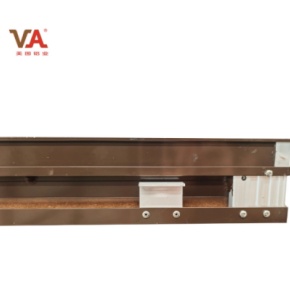
As cities continue to grow and evolve, commercial high-rise buildings must adapt to changing conditions to remain relevant and sustainable. This is especially important in the face of climate change, increasing urbanization, and ever-evolving building codes. Facade exterior curtain walls are critical in future-proofing commercial high-rise buildings, offering significant advantages in terms of energy efficiency, adaptability, and long-term cost savings. These systems not only contribute to the building's aesthetic appeal but also enhance its functionality, ensuring it remains viable and cost-effective for many years to come.
One of the main benefits of facade exterior curtain walls is their ability to adapt to shifting environmental conditions. As global temperatures continue to rise, it becomes essential for buildings to maintain energy efficiency and reduce their carbon footprint. Facade systems can be updated or retrofitted to address these challenges.
While the initial investment in high-quality facade exterior curtain walls can be substantial, the long-term savings they provide make them an excellent investment for building owners and developers. One of the primary advantages of curtain walls is their ability to enhance energy efficiency, which leads to reduced energy costs over time.
Another key aspect of future-proofing high-rise buildings with facade exterior curtain walls is the integration of smart technologies. Modern facade systems can be equipped with automated features that allow building managers to optimize energy use and improve the comfort of occupants.
Benefit | Description |
Energy Efficiency | Helps regulate indoor temperature, reducing energy costs. |
Weather Resistance | Protects the building from harsh weather, including wind and rain. |
Aesthetic Flexibility | Offers various design possibilities to create unique facades. |
Sustainability | Supports energy-efficient and sustainable building practices. |
Adaptability | Can be updated or retrofitted to meet future needs and technological advancements. |
Facade exterior curtain walls are a vital component of modern high-rise buildings, offering numerous advantages such as enhanced energy efficiency, improved durability, and design flexibility. By incorporating these systems, architects and developers can create commercial buildings that are not only visually appealing but also sustainable, resilient, and adaptable to future demands. At V Global Manufacturing Limited, we specialize in providing top-quality facade solutions that meet the highest industry standards. Our curtain wall systems are designed to enhance the performance and aesthetics of your building while ensuring long-term sustainability. If you're looking for a reliable partner to future-proof your commercial high-rise, we encourage you to get in touch with us for expert advice and high-performance facade solutions.
What is the primary function of a facade exterior curtain wall?
A facade exterior curtain wall serves as a non-structural covering that protects the building from external elements like wind, rain, and temperature fluctuations, while also enhancing the building's energy efficiency and aesthetic appeal.
How do facade exterior curtain walls help in energy efficiency?
These curtain walls are designed to minimize heat transfer, reducing the need for artificial heating and cooling. Features like double-glazing and solar control coatings further improve insulation and prevent excessive solar heat gain, contributing to lower energy consumption.
Can facade curtain walls be used in all types of commercial buildings?
Yes, facade curtain walls are highly versatile and can be used in a wide range of commercial buildings, from high-rise skyscrapers to shopping malls and office buildings, offering a modern and energy-efficient solution for various architectural styles.
What materials are commonly used in facade exterior curtain walls?
Facade curtain walls are typically made from materials such as glass, aluminum, stone, and composites, which are chosen for their durability, aesthetic value, and ability to enhance the building’s energy efficiency.


